Lunasol Logistics Lunasol Logistics

How To Boost Operational Efficiency In Smart Warehouses?

Time:2026-09-05 Author:Madeline
0%

In the modern world, efficiency defines success in logistics. Smart warehouses, equipped with advanced technologies, play a vital role in improving operations. However, many facilities still struggle with inefficiencies. Understanding how to improve operational efficiency in smart warehouses is crucial.

Implementing automation tools can enhance workflow. Yet, not all systems integrate seamlessly. Staff training is equally important, but often overlooked. Many employees feel overwhelmed by new technologies. They require guidance to adapt effectively. Real-time data analytics can boost decision-making. Still, inaccurate data leads to poor outcomes.

The journey to operational excellence is ongoing. Stakeholders must analyze their processes consistently. Reflecting on existing practices may reveal hidden inefficiencies. Adopting a mindset of continuous improvement can lead to breakthroughs. Achieving operational efficiency is not just about technology; it’s about people, processes, and partnerships.
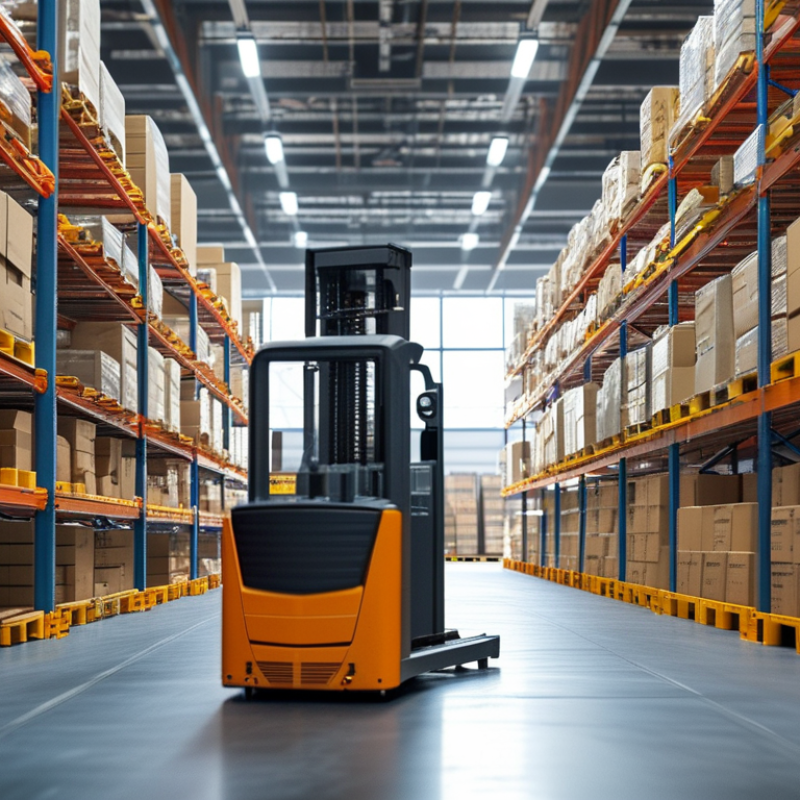
How To Boost Operational Efficiency In Smart Warehouses?

Understanding Operational Efficiency in Smart Warehouses

Operational efficiency in smart warehouses revolves around optimizing processes to enhance productivity and reduce costs. The integration of advanced technologies can significantly streamline operations. For example, utilizing automation and real-time data analytics leads to better inventory management. By tracking the movement of goods, warehouses can minimize waste and maximize space.

Effective communication plays a vital role. Clear coordination among warehouse staff improves workflows. Regularly updating team members about tasks reduces errors. Providing training on new technologies ensures everyone adapts quickly. This can be challenging, as not all employees may be tech-savvy. Patience and continuous support are needed.

Investing in predictive analytics can also enhance decision-making. Analyzing historical data helps forecast inventory needs. This proactive approach can prevent overstocking or stockouts. Though it requires initial investment, the long-term benefits are substantial. Many warehouses face the struggle of balancing technology use with human oversight. Reflecting on this balance is essential for sustained success.

How To Boost Operational Efficiency In Smart Warehouses?

Dimension Metric Current Value Target Value Improvement Strategy
Inventory Accuracy Percentage (%) 95 99 Implement RFID Tracking
Order Fulfillment Time Hours 24 12 Automation of Picking Process
Labor Productivity Units per Hour 50 80 Introduce Training Programs
Shipping Accuracy Percentage (%) 90 98 Enhance Quality Control Procedures
Energy Consumption kWh per Month 5000 3500 Utilize Energy-Efficient Equipment

Key Technologies Enhancing Efficiency in Warehouse Operations

In today’s logistics landscape, smart warehouses are becoming essential for efficient operations. Various technologies play a crucial role in enhancing these efficiencies. Automated systems, including robotics and AI, streamline picking and packing processes. Data analytics provides insights, helping managers make informed decisions. Smart inventory management systems reduce stock discrepancies, ensuring a smooth workflow.

Integrating IoT devices offers real-time visibility of inventory levels. Sensors track environment conditions, optimizing storage environment for sensitive items. This technology allows for quick adjustments, minimizing spoilage or damage. Moreover, a reliable network ensures devices communicate effectively, enhancing operational reliability.

Consider using machine learning algorithms to forecast demand accurately. This can help in maintaining optimal stock levels and reducing excess inventory. Regular training sessions for staff on new technologies can also improve adaptability. Observing the implementation challenges can provide insights to refine processes. Analyze areas of friction; understanding these can lead to innovative solutions that drive operational improvements.

How To Boost Operational Efficiency In Smart Warehouses?

This chart illustrates the percentage increase in operational efficiency from implementing key technologies in smart warehouses, highlighting the significant impacts of automation, data analytics, IoT integration, robotics, and artificial intelligence.

Implementing Automation for Improved Warehouse Processes

Implementing automation in smart warehouses significantly enhances operational efficiency. By integrating automated systems, warehouses can streamline processes such as inventory management and order fulfillment. For instance, automatic guided vehicles can transport goods without human intervention, reducing labor costs and human error.


However, automation comes with challenges. The initial setup can be costly and time-consuming. Employees may need training to adapt to new technology. Companies must ensure that staff understand how to work alongside automated systems. Also, over-reliance on technology could lead to vulnerabilities. If systems fail, the entire operation may be disrupted.


To navigate these issues, warehouses should conduct thorough assessments before implementation. Identifying specific areas that need improvement is crucial. Continuous monitoring is also essential to evaluate the effectiveness of automation strategies. This ongoing evaluation helps in refining processes and addressing any shortcomings. Embracing automation can lead to significant improvements, but it requires careful consideration and assessment of current practices.

Data Analytics: Driving Efficiency in Smart Inventory Management

In smart warehouses, data analytics serves as a pivotal factor in enhancing inventory management efficiency. According to a report by McKinsey, companies that utilize data analytics can see inventory inaccuracies decrease by 30%. This rapid improvement stems from analytics enabling real-time visibility into stock levels, facilitating timely restocking, and reducing excess inventory. Leveraging technology allows for better forecasting, aligning supply with demand more accurately.

Analyzing customer purchase patterns can yield actionable insights. Data from PwC indicates that 70% of executives believe that timely data analysis enhances operational efficiency. By understanding trends, warehouses can adjust their inventory accordingly, ensuring that they meet customer needs without overstocking. This agile response is crucial in a competitive landscape.

Consider implementing automated data tools. They can provide holistic views of your inventory in real-time. Maintain a focus on integrating AI to refine your data insights. Enhancing communication between departments is essential to the analytical process. Collaboration translates findings into strategic actions. Evaluate results regularly to identify areas for improvement. This iterative approach will help ensure ongoing efficiency in your operations. Experimenting with different analytics strategies could lead to unforeseen advantages.

Best Practices for Workforce Management in Smart Warehouses

In the dynamic world of smart warehouses, effective workforce management is essential for enhancing operational efficiency. Leveraging technology to track employee performance and streamline tasks can significantly boost productivity. Training staff on new technologies is crucial; adaptable workers are often more efficient. Regular workshops can help them stay updated.

Creating an open communication channel fosters collaboration. Encouraging feedback can reveal potential inefficiencies. Employees might identify bottlenecks that management overlooks. Sometimes, they have practical insights to enhance daily operations.

Empowering your team is vital. Involve them in decision-making processes. This encourages ownership and motivation. When workers feel valued, their productivity often increases. Consider rotating roles periodically. This can prevent burnout and maintain engagement. A diverse skill set is beneficial for team resilience.

FAQS

: What is operational efficiency in smart warehouses?

: It's about optimizing processes to boost productivity and lower costs through advanced technologies.

How can technology improve inventory management?

Technologies like automation and real-time data help track goods movement, minimizing waste and maximizing space.

Why is effective communication important in warehouses?

Clear communication enhances workflows and reduces errors, fostering better coordination among staff.

What are the challenges of implementing automation?

Automation can be costly and requires employee training, which can disrupt operations if not managed properly.

How can predictive analytics improve decision-making?

By analyzing past data, it helps predict inventory needs, preventing overstock and stockouts.

Why should warehouses conduct assessments before automation?

Assessments identify areas for improvement and ensure the technology aligns with operational needs.

What role does employee training play in smart warehouses?

Training ensures staff adapt to new technologies, which is vital for maintaining operational efficiency.

How can management encourage team collaboration?

Open communication channels and feedback mechanisms can help identify inefficiencies and improve processes.

What is the benefit of rotating roles among employees?

Role rotation can prevent burnout and keep the workforce engaged, leading to higher productivity.

Why is evaluating automation effectiveness critical?

Continuous monitoring helps refine processes and address shortcomings, ensuring sustainable improvements.

Conclusion

In today's rapidly evolving logistics landscape, understanding how to improve operational efficiency in smart warehouses is crucial for maintaining competitiveness. Key technologies such as IoT devices, robotics, and automated guided vehicles play a significant role in enhancing various facets of warehouse operations. By implementing automation, businesses can streamline processes, reduce manual errors, and optimize resource allocation.

Furthermore, data analytics has emerged as a powerful tool in smart inventory management, enabling organizations to make informed decisions based on real-time insights and predictive modeling. Additionally, best practices in workforce management, including training and engagement strategies, are essential for maximizing productivity and ensuring a harmonious working environment. Collectively, these strategies and tools empower warehouses to operate more efficiently, ultimately leading to improved service delivery and customer satisfaction.

Madeline

Madeline

Madeline is a dedicated marketing professional with a wealth of expertise in our company's core offerings. With a keen understanding of the industry, she brings a unique perspective to her role, consistently delivering high-quality content that highlights the superior aspects of our products. As......