Lunasol Logistics
Automated systems in warehouses are pivotal for enhancing efficiency and productivity. However, many organizations struggle with "How To Maintain Automated Systems In Warehouses." This process requires a thoughtful approach to ensure longevity and optimal performance. Various factors contribute to proper maintenance, including regular inspections, software updates, and staff training.
A common oversight is neglecting routine checks. It's easy to become complacent, assuming systems will run smoothly. However, overlooking minor issues can lead to significant breakdowns. Therefore, proactive maintenance is vital. Keeping a maintenance log can help track issues, ensuring nothing falls through the cracks.
Additionally, fostering a culture of accountability among employees is essential. When workers understand their role in maintaining the systems, they are more likely to report problems promptly. Training should also focus on real-world scenarios they may face. Deliberate practice and reflection on past errors can greatly improve the overall reliability of automated systems in warehouses. Implementing these strategies can significantly enhance operational efficiency and reduce unforeseen downtimes.
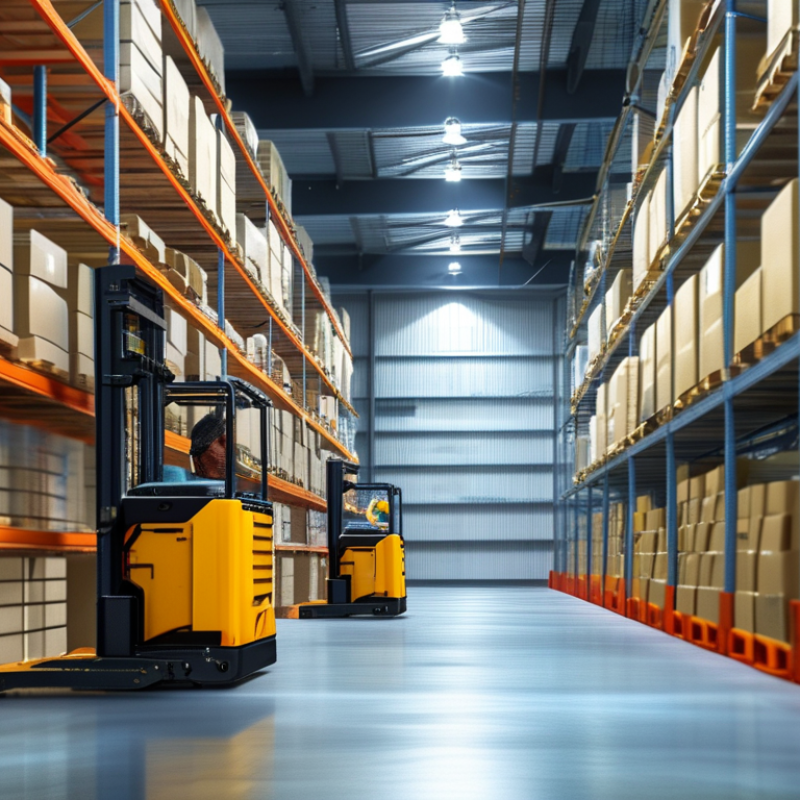
Automated systems in warehouse operations streamline processes and enhance efficiency. They are designed to reduce human labor, minimizing errors in inventory management. Automated guided vehicles (AGVs) transport goods swiftly. They navigate through predefined paths. This ensures no collisions and maintains safety.
However, the implementation of these systems sometimes faces challenges. Employees may struggle to adapt to new technologies. There can be resistance due to fear of job loss. Regular training is essential to alleviate these concerns. Understanding software updates can also be daunting. Employees need confidence in their skills.
Reliability is crucial in automated systems. Regular maintenance schedules must be established. Failing to do so can lead to unexpected breakdowns. It’s important to assess the performance of these systems periodically. Identifying weaknesses allows for timely interventions. Continuous monitoring will help in making informed decisions for system improvements.
Routine maintenance of warehouse automation equipment is crucial for optimal performance. According to a report by the Warehousing Education and Research Council, effective maintenance can reduce equipment downtime by up to 30%. Regular inspections help identify potential issues before they escalate. For instance, checking conveyor belt alignment every month can prevent significant failures. Establishing a maintenance schedule ensures that equipment is serviced on time.
Another key aspect is staff training. Training employees on the proper use and care of automated systems can significantly enhance reliability. Research shows that warehouses with well-trained staff report 25% fewer equipment malfunctions. Conducting quarterly training sessions promotes a culture of maintenance awareness. It empowers employees to spot concerns early.
Monitoring system performance is equally important. Utilizing software to track metrics, like operational efficiency, can provide valuable insights. This data may reveal hidden inefficiencies. Some warehouses still underestimate its value. Regular software updates and system audits help prevent security risks. Engaging in these practices can ensure your automated systems operate more smoothly and effectively.
| Maintenance Task | Frequency | Description | Responsible Party |
|---|---|---|---|
| System Software Updates | Monthly | Ensure all software used in automation systems are up-to-date to prevent failures. | IT Department |
| Hardware Inspection | Quarterly | Inspect physical components for wear and tear, ensuring all machinery runs smoothly. | Maintenance Team |
| Cleaning Automation Equipment | Bi-weekly | Remove dust and debris from equipment to avoid malfunctions. | Warehouse Staff |
| Calibration of Sensors | Annually | Ensure sensors are accurately assessing operational data. | Technical Support |
| Emergency Equipment Testing | Semi-annually | Test all emergency systems to ensure readiness in case of a failure. | Safety Officer |
In today’s dynamic warehousing landscape, monitoring system performance is crucial. A report from the Warehousing Education and Research Council indicates that 70% of warehouse managers see automation as vital to efficiency. Yet, these systems require constant oversight. Real-time monitoring tools can provide insights into performance levels, identifying bottlenecks before they escalate. Consistent data collection helps make informed decisions about system enhancements.
Troubleshooting common issues is equally important. Around 30% of automated systems face operational disruptions due to software malfunctions. Regular audits can help catch these problems early. For instance, software updates may conflict with existing protocols, leading to operational slowdowns. Keeping thorough logs of system performance can reveal patterns over time. Noticing irregularities might lead to simple fixes, like recalibrating equipment or adjusting algorithms.
However, not all issues are easy to address. Sometimes, human error contributes to system failures. Training staff to recognize warning signs becomes essential. A well-prepared team's response can significantly minimize downtime. Therefore, enhancing both technical and human elements is key to successful maintenance. As automation continues to grow, a proactive approach will become increasingly important in safeguarding warehouse operations.
Maintaining automated systems in warehouses is crucial for seamless operations. Software updates play a key role in this maintenance strategy. Regular updates not only enhance system security but also improve efficiency. A well-updated system can adapt to new technologies and industry standards. However, rolling out updates isn't without challenges.
Each update comes with a risk. It may disrupt operations if not planned well. Teams must create a backup before implementing changes. Testing updates in a controlled environment is essential. This step prevents unexpected system failures. Not all updates yield immediate benefits. Sometimes, they expose existing inefficiencies or compatibility issues.
Communication is vital during the update process. Involving staff fosters a culture of collaboration. Workers can provide insights that may lead to better implementations. Regular training sessions post-update can help bridge knowledge gaps. Facilities should prioritize ongoing education to navigate evolving technologies. While updates are necessary, the process should remain flexible to accommodate feedback and real-world challenges.
Training staff for the efficient use and maintenance of automation tools is crucial in today’s warehouses. A recent industry report revealed that well-trained employees can boost operational efficiency by up to 30%. However, many facilities overlook proper training programs. This neglect can lead to costly errors and downtime, impacting overall productivity.
Warehouse automation systems often come with complexity. Employees must understand how to interact with robots and software seamlessly. It’s not just about pushing buttons. Proper training helps them troubleshoot minor issues, which prevents longer outages. One study indicated that 45% of warehouse disruptions are due to operator errors. Focused training can significantly reduce these mistakes.
Additionally, ongoing education is vital. Automation technology evolves rapidly. Employees must stay informed about new features and updates. Regular workshops or refresher courses can keep skills sharp. Surprisingly, only 25% of companies invest in continuous training programs, which reveals a significant gap. Bridging this divide can lead to lower maintenance costs and better system reliability.
: Automated systems streamline warehouse processes, enhancing efficiency and reducing human labor in inventory management.
Training helps employees adapt to technologies, reduces resistance, and builds confidence in their skills.
Regular maintenance reduces breakdowns and ensures optimal performance in warehouse operations.
Routine inspections, like checking conveyor belt alignment, should occur monthly to prevent significant failures.
Software tracks operational metrics, revealing hidden inefficiencies and helping improve overall performance.
Updates can disrupt operations if not planned well and may expose compatibility issues or inefficiencies.
Involving staff during updates fosters collaboration and provides insights that can improve implementation.
Ongoing training and education post-update bridge knowledge gaps and help employees navigate changes effectively.
Some warehouses may not recognize the insights software can provide, leading to missed opportunities for improvement.
Creating backups and testing updates in controlled environments can help prevent unexpected system failures.
Maintaining automated systems in warehouses is crucial for ensuring efficient operations and minimizing downtime. To effectively manage these systems, it is essential to understand their functioning within warehouse processes. Regular routine maintenance procedures should be established for automation equipment, including inspections and timely servicing to prevent breakdowns. Additionally, monitoring system performance and promptly addressing common issues can significantly enhance system reliability.
Implementing software updates and upgrades is also vital to improve functionality and security. Moreover, training staff on the efficient use and maintenance of automation tools ensures that personnel are equipped to handle operational challenges. By prioritizing these strategies, warehouse managers can effectively maintain automated systems, ultimately leading to enhanced productivity and streamlined operations. This comprehensive approach addresses the question of how to maintain automated systems in warehouses to achieve optimal performance.
