Lunasol Logistics
In today’s fast-paced business environment, understanding your supply chain is crucial. Companies face numerous challenges. Visibility issues often lead to delays and increased costs. This is where technology steps in. The right solutions can transform operations. They enhance efficiency and provide a clearer view of processes.
How to improve supply chain visibility with technology? Integrating advanced tools like IoT and AI can provide real-time data. These innovations enable companies to track products from origin to destination. They help identify bottlenecks and streamline operations. However, adopting technology is not always straightforward.
Many organizations struggle with integration and skill gaps. Data security and privacy are also concerns. Businesses must carefully choose the right solutions. It requires investment in training and systems. Balancing technological advancements with practical application is essential. Only through a cautious approach can companies fully realize the benefits of enhanced supply chain visibility.
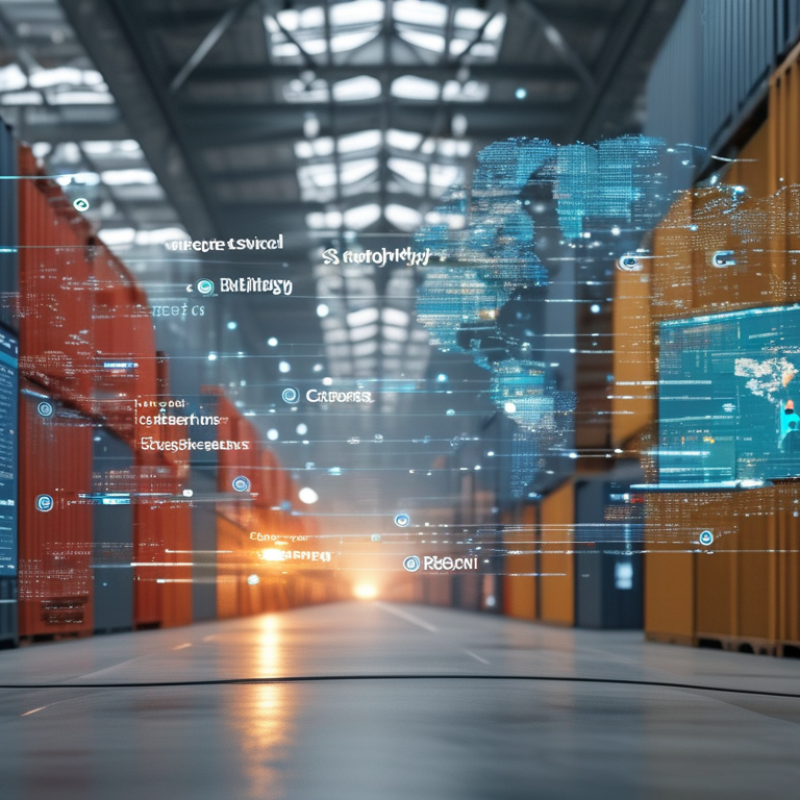
Supply chain visibility is increasingly recognized as essential for effective operations. A report from the Council of Supply Chain Management Professionals revealed that companies with high supply chain visibility experience 20% higher revenue growth. In today’s market, transparency is key. It allows businesses to respond quickly to disruptions and demand changes. Clarity in tracking goods and data fosters collaboration across the supply chain.
Visibility goes beyond just tracking inventory. It involves real-time data insights into every step of the supply chain. According to a survey by Gartner, 56% of supply chain leaders view enhanced visibility as crucial for success. This visibility helps identify bottlenecks, reduce waste, and improve customer satisfaction. However, many organizations still face challenges in integration and data accuracy. Relying on outdated systems can hinder improvements.
Investing in technology solutions can bridge these gaps. Tools like IoT sensors, cloud platforms, and data analytics are reshaping the landscape. These innovations can enhance communication and decision-making. Yet, proper implementation and training remain hurdles. Just having the technology is not enough. Continuous improvement and adaptation to evolving supply chain needs are vital for true visibility.
In today's complex supply chain landscape, visibility is crucial. Companies need insight into every stage of their supply chain. Several key technologies enhance this transparency. Real-time data analytics can track inventory, shipments, and production schedules. Sensors and RFID tags help monitor goods throughout the journey. These tools provide actionable insights that can prevent delays.
Blockchain technology is another powerful solution. It ensures data integrity and traceability. When implemented correctly, it builds trust among partners. However, integrating blockchain may pose challenges. Organizations need to align systems and processes first. Another tool is IoT (Internet of Things). Smart devices collect and share data instantaneously. This connectivity fosters a proactive approach in managing logistics.
Despite these advances, not all companies fully utilize these technologies. Some may struggle with implementation or overlook necessary training for staff. Awareness and adaptation are key. Organizations must continuously assess their use of these tools. Fostering a culture of innovation can make a significant difference. Embracing change leads to greater supply chain visibility.
Advanced analytics is transforming supply chain management by enhancing visibility and decision-making. Companies are now leveraging data to gain insights into their operations. This approach allows for real-time monitoring of inventory levels, shipment statuses, and demand forecasts. Such capabilities help in reducing delays and minimizing stockouts. However, data integration remains a challenge for many organizations.
Implementing advanced analytics requires expertise and careful planning. Businesses must ensure they have the right tools and data governance in place. An analytical model built on poor-quality data can lead to unfortunate results. Sometimes, organizations dive into technology without fully understanding their needs. This can result in wasted resources and missed opportunities.
Investing in training and skilled personnel is crucial. Staff should be educated on how to interpret analytics insights effectively. Continuous evaluation of processes is vital to ensure that the insights gained are actionable. Organizations must remain flexible and ready to adapt their strategies as new data emerges. Balancing innovation with practicality can drive sustainable supply chain improvements.
Real-time monitoring has transformed supply chain efficiency. According to a report by Gartner, businesses utilizing real-time data can improve their overall efficiency by up to 25%. Enhanced visibility helps companies respond quickly to disruptions. Supply chain managers face challenges, including unexpected delays and inventory mismanagement. Visibility technology allows teams to track shipments continuously. This eliminates uncertainty and fosters proactive decision-making.
Data from a McKinsey survey indicates that supply chains with advanced tracking technologies see a 30% reduction in costs. These technologies enable firms to manage resources better and minimize waste. However, implementing such systems can be daunting. Many firms struggle with integration, leading to gaps in data accuracy. A lack of trained personnel can further hinder initiatives.
Despite the challenges, the potential benefits are compelling. Companies that invest in visibility tools often find that transparency cultivates stronger relationships with suppliers and customers. For instance, sharing real-time updates boosts trust significantly. Ultimately, as industries evolve, refining these visibility solutions will remain critical for maintaining competitive advantages.
Supply chain visibility is vital for business success. Companies are increasingly adopting technology solutions to enhance this visibility. Case studies reveal innovative methods. One company implemented real-time tracking systems. This led to better inventory management and optimized delivery routes. Another firm integrated IoT sensors in its warehouses. These sensors provided immediate updates on stock levels and conditions. As a result, they reduced spoilage and improved order accuracy.
However, these implementations are not without challenges. Some companies reported initial resistance from employees. Adapting to new technology can be daunting. Training is necessary, but time-consuming. Moreover, integrating new solutions with existing systems sometimes creates compatibility issues. These hurdles can hinder immediate benefits. Yet, overcoming them is crucial for long-term success.
Collaboration is also essential. Companies often need to work closely with tech providers. Effective communication can streamline the integration process. A few case studies highlighted the importance of regular feedback loops. Continuous improvement is necessary. Therefore, while technology offers numerous advantages, businesses must remain prepared for the journey ahead. The path to enhanced supply chain visibility requires both commitment and patience.
: Supply chain visibility helps companies track every stage of their operations. It promotes better decision-making.
Key technologies include real-time data analytics, IoT devices, sensors, and blockchain. Each offers unique benefits.
They track inventory and shipments effectively. This leads to more efficient production schedules and fewer delays.
Blockchain ensures data integrity and traceability. It builds trust among partners but may be challenging to integrate.
Lack of training can lead to resistance and misuse. Proper training fosters confidence and enhances efficiency.
Companies may struggle with system compatibility. Initial resistance from staff can hinder progress as well.
Working closely with tech providers aids integration. Regular feedback helps refine processes and addresses concerns.
IoT devices provide real-time updates on stock levels. This reduces spoilage and improves order accuracy significantly.
Encouraging open communication and continuous assessment of tools is vital. Embracing change leads to better visibility.
Commitment to ongoing improvement and readiness for challenges are essential. Patience and adaptability play critical roles.
Supply chain visibility is crucial for organizations aiming to enhance operational efficiency and ensure timely delivery of products. Understanding the importance of supply chain visibility involves recognizing how it can mitigate risks and improve decision-making. Key technologies play a pivotal role in enhancing this visibility, with advanced analytics enabling companies to predict trends and optimize processes. Furthermore, implementing real-time monitoring provides immediate insights, significantly impacting supply chain efficiency by identifying bottlenecks and streamlining operations.
In exploring how to improve supply chain visibility with technology, companies can learn from various case studies that highlight successful tech solutions. These examples demonstrate how leveraging innovative tools can transform supply chain management, leading to increased transparency, responsiveness, and overall performance. By investing in the right technologies and analytics, businesses can not only enhance their supply chain visibility but also gain a competitive edge in the marketplace.
