Lunasol Logistics
Lunasol Logistics
Lunasol Logistics
Deploying state-of-the-art mobile automation, autonomous material handlers, and end-of-line packaging systems designed for 24/7 manufacturing environments.
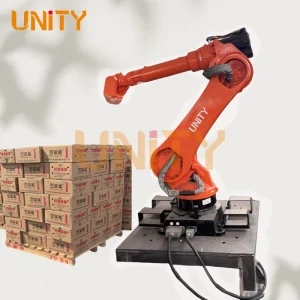
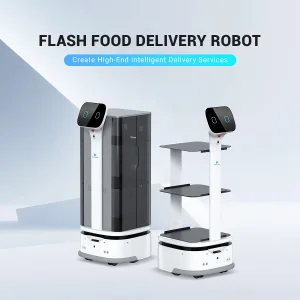
How modern manufacturing facilities transition from isolated processes to cyber-physical ecosystems.
In this high-stakes landscape, selecting the right manufacturing technology partner is no longer just a procurement task, but a strategic long-term initiative. The integration of Automated Guided Vehicles (AGVs), Autonomous Mobile Robots (AMRs), Collaborative Robots (Cobots), and 3D Vision systems dictates an enterprise's ability to maintain high throughput while mitigating labor dependencies. Industry leaders prioritize vendors that do not just supply hardware, but also offer highly adaptable middleware, safety-compliant fleet management systems, and cross-platform compatibility (such as VDA 5050 standards).
Daian Lunasol Logistics Technology Co., Ltd. is located in Dalian City. Our company focuses on R&D, production, sales, technical support and after-sales service in the fields of automation and robotics.
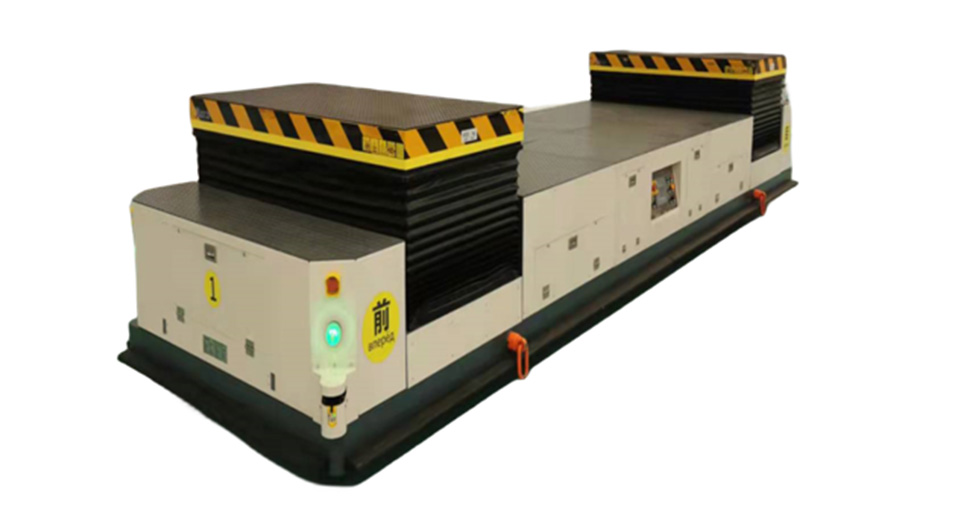
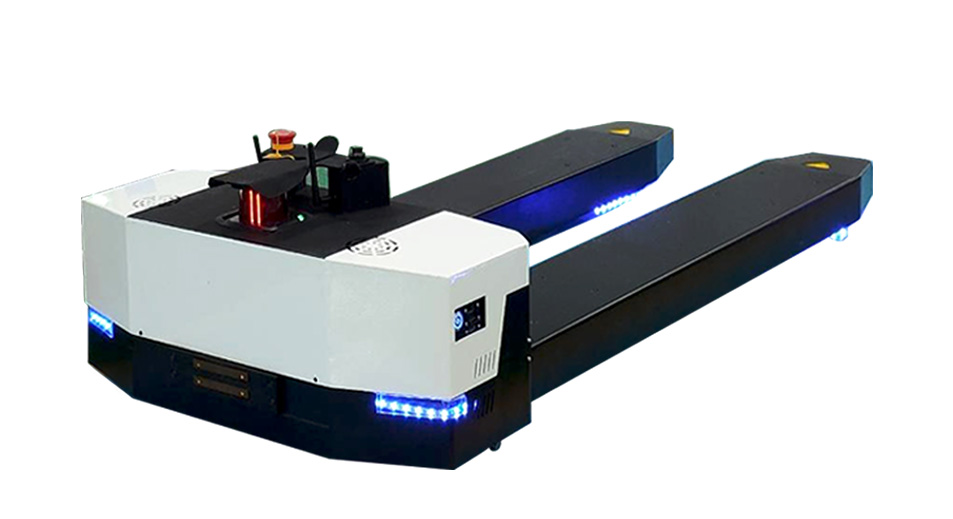
The main products include: AGV and AGC automatic guided vehicles, industrial robots, automated production lines, etc. Our product line covers light-duty handling robots from 0.5 tons, medium-heavy lifting robots from 2 tons to 5 tons, and heavy-duty handling robots from 5 tons to 100 tons. Product categories include latent traction AGV, roller AGV, lift AGV, traction AGV, load-bearing AGV, forklift AGV, medium and heavy-duty linkage AGV.
Our products serve the automobile, logistics and warehousing, shipbuilding industry, iron and steel metallurgy, special vehicles, high-speed rail and subway, injection molding, electronics and other industries. High-quality cooperation units include FAW Flag, CIMC Group, Yada New Materials, Zoomlion, Russia Federal Railways etc.

Flexible AGV platforms engineered to dynamic industrial specifications and transport loads.
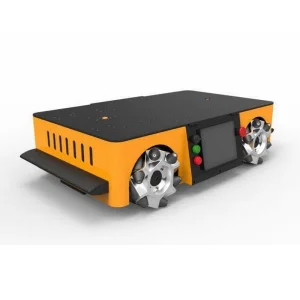
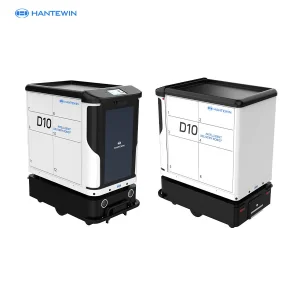
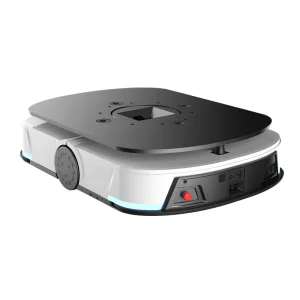
The piggyback AGV adopts a load-bearing body structure, which can be used to support workpieces and travel in all directions, enabling easy transportation of goods in various workshops or workstations. Multiple backpack AGVs can be used together to form an assembly line, replacing the assembly line and forming a flexible production line.
Forklift-type AGVs are widely used in fields such as heavy object lifting and heavy object transportation. They have a small turning radius and low requirements for channel size.
Mapping the shift toward decentralized intelligence, visual navigation, and predictive operation models.
By blending high-frequency LiDAR scans with Visual-SLAM cameras, modern AGVs and AMRs map dynamic industrial environments in real-time. This dual-modal localization mitigates pathing errors caused by shifting pallets or ambient lighting fluctuations.
Fleet dispatching systems utilize low-latency private 5G channels. By transferring heavy path planning computations from individual AGVs to edge servers, robot chassis run lighter, consume less battery power, and coordinate in tighter formations.
Built-in vibration, temperature, and thermal-imaging sensors continuously output health data via protocols like MQTT or OPC UA. Machine learning models predict component degradation before a breakdown occurs, optimizing replacement schedules.
Customizable automation architectures designed for high-stress industrial verticals.
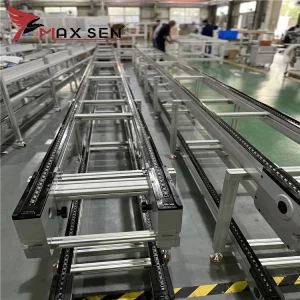
Modern automotive plants operate on razor-thin cycle times. Integrating multiple Carrier AGVs permits flexible assembly lines where chassis transfer dynamically without floor-mounted conveyor belts. Lunasol's heavy-duty linkage AGVs, ranging up to 100-ton capacity, are engineered to maneuver large structural frames, electric vehicle batteries, and completed cabs safely through weld and assembly loops, matching the precision standards set by global giants like FAW Flag.
Transporting massive structures, hot metal coils, or heavy components in steel yards and dry docks requires unmatched structural durability. Heavy-load AGVs replace manual overhead crane operations, eliminating human fall risks and streamlining material paths. Our heavy-payload vehicle line ensures smooth transport transitions under high thermal strain and exposure to abrasive dust.
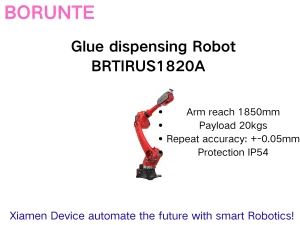
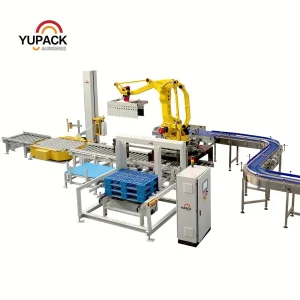
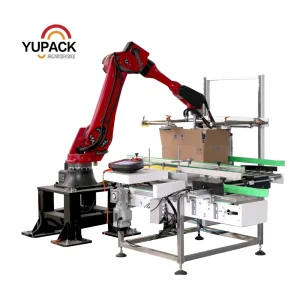
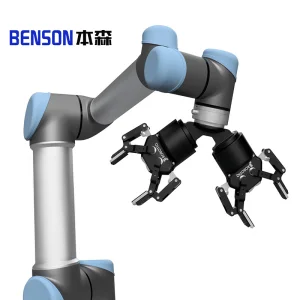
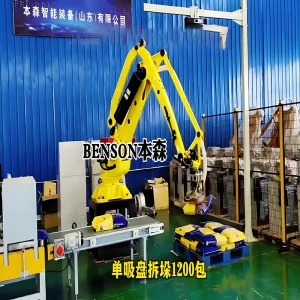
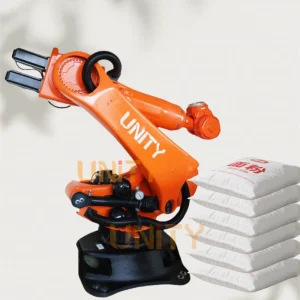
Cleanliness, low electrostatic discharge (ESD), and high sorting throughput characterize the semiconductor and medical device industries. Here, collaborative robots (Cobots) paired with 3D vision systems conduct pick-and-place packaging, bag depalletizing, and precise chemical dosing. By automating the palletizing and case wrapping processes, contamination risks are neutralized while ensuring trace-level package verification.
Why localized production control and integrated component manufacturing reduce lead times and total cost of ownership (TCO).
Proximity to key raw materials, sensor suppliers, and structural testing labs lets companies run prototyping-to-production cycles in weeks rather than months, ensuring custom specifications are rapidly integrated.
Unlike manufacturers locked into rigid off-the-shelf product catalogs, Chinese smart factory factories easily accommodate custom payloads, specialized grip actuators, and customized firmware layers.
Lower manufacturing overhead coupled with scale economies yields robots and automated guided platforms with an exceptionally low cost per payload capacity, maximizing global customer ROI.
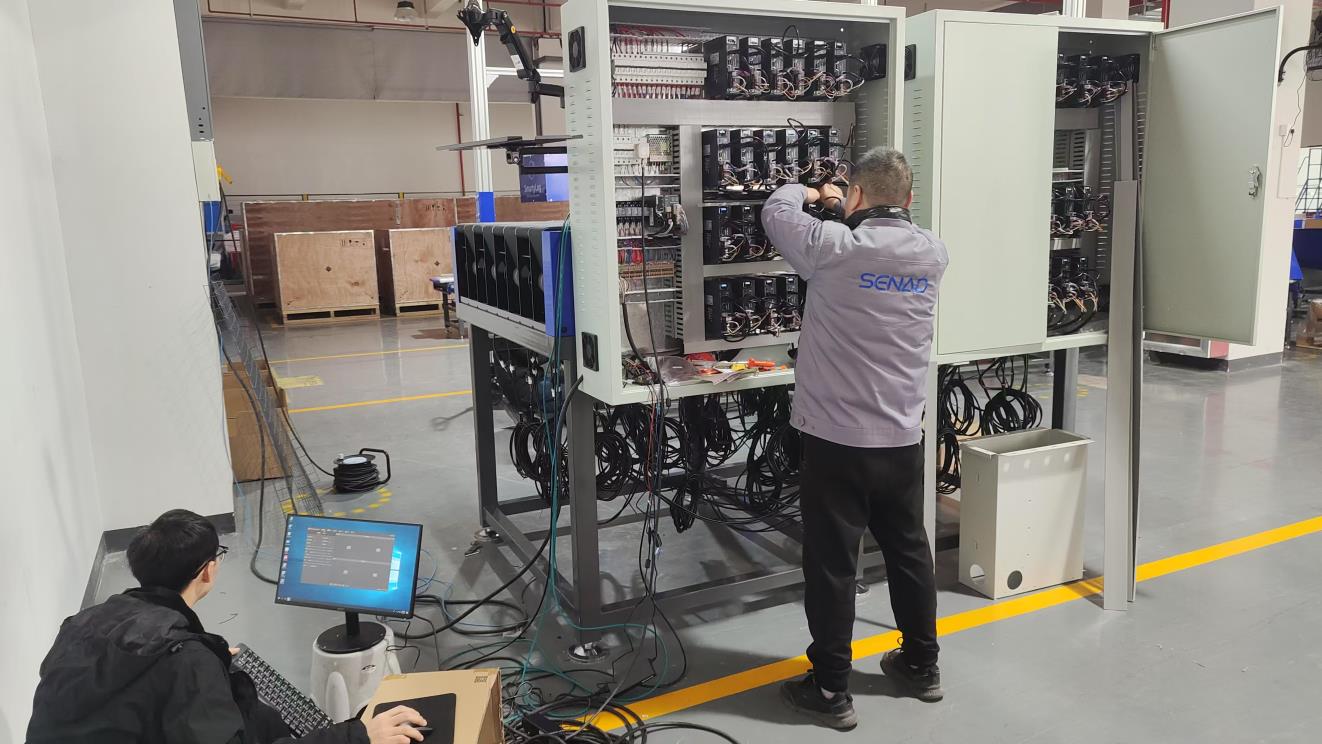
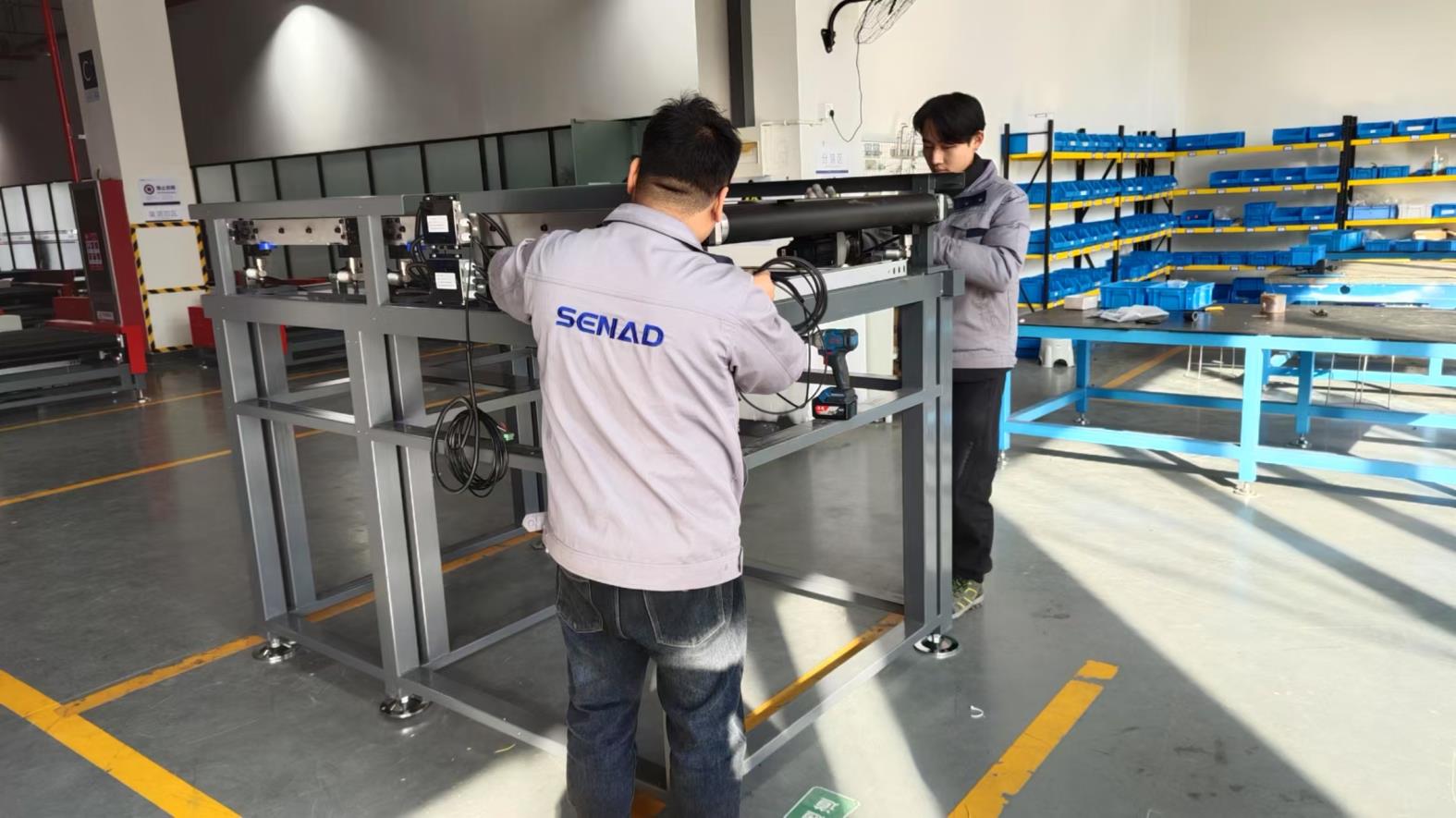
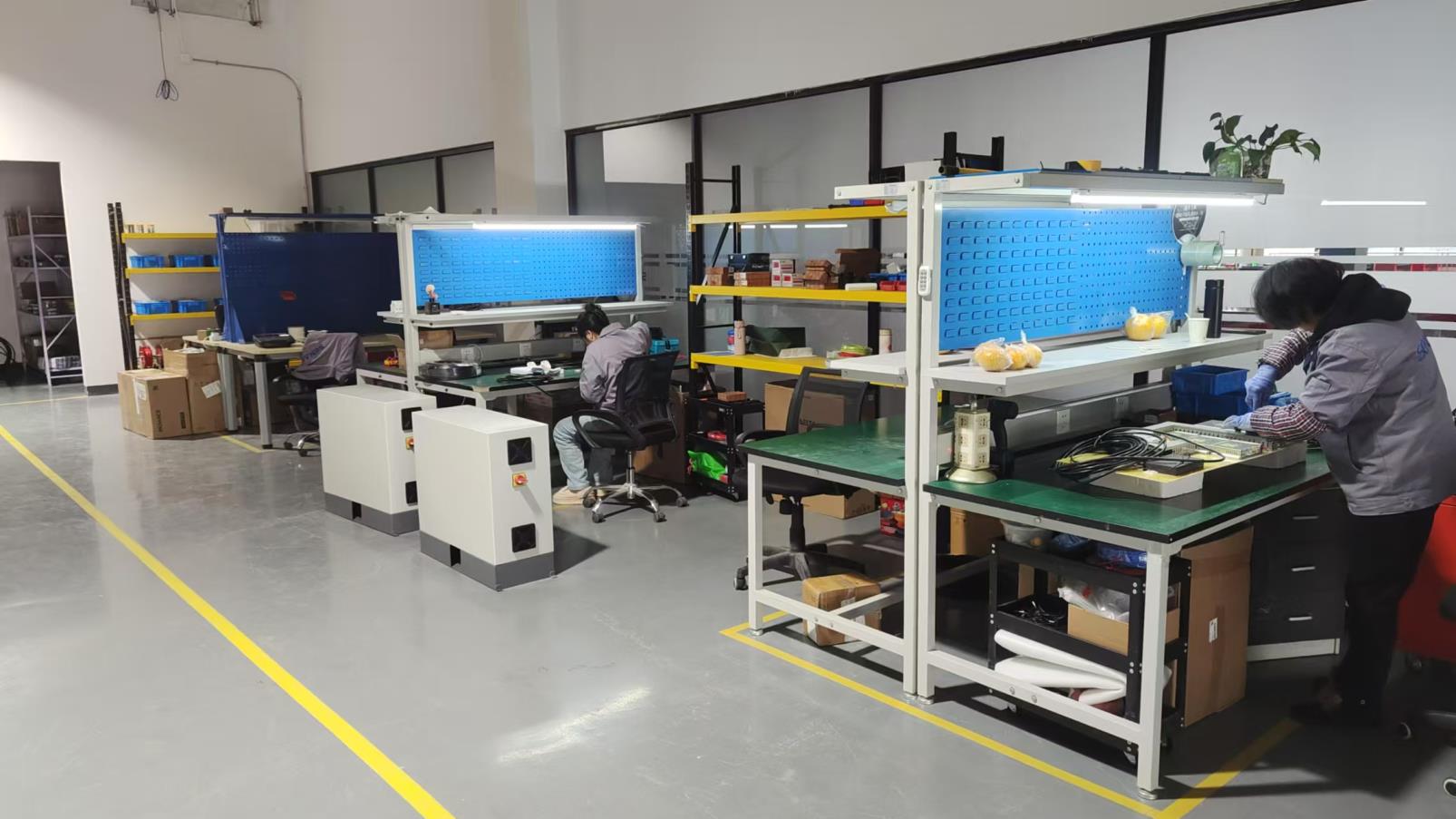
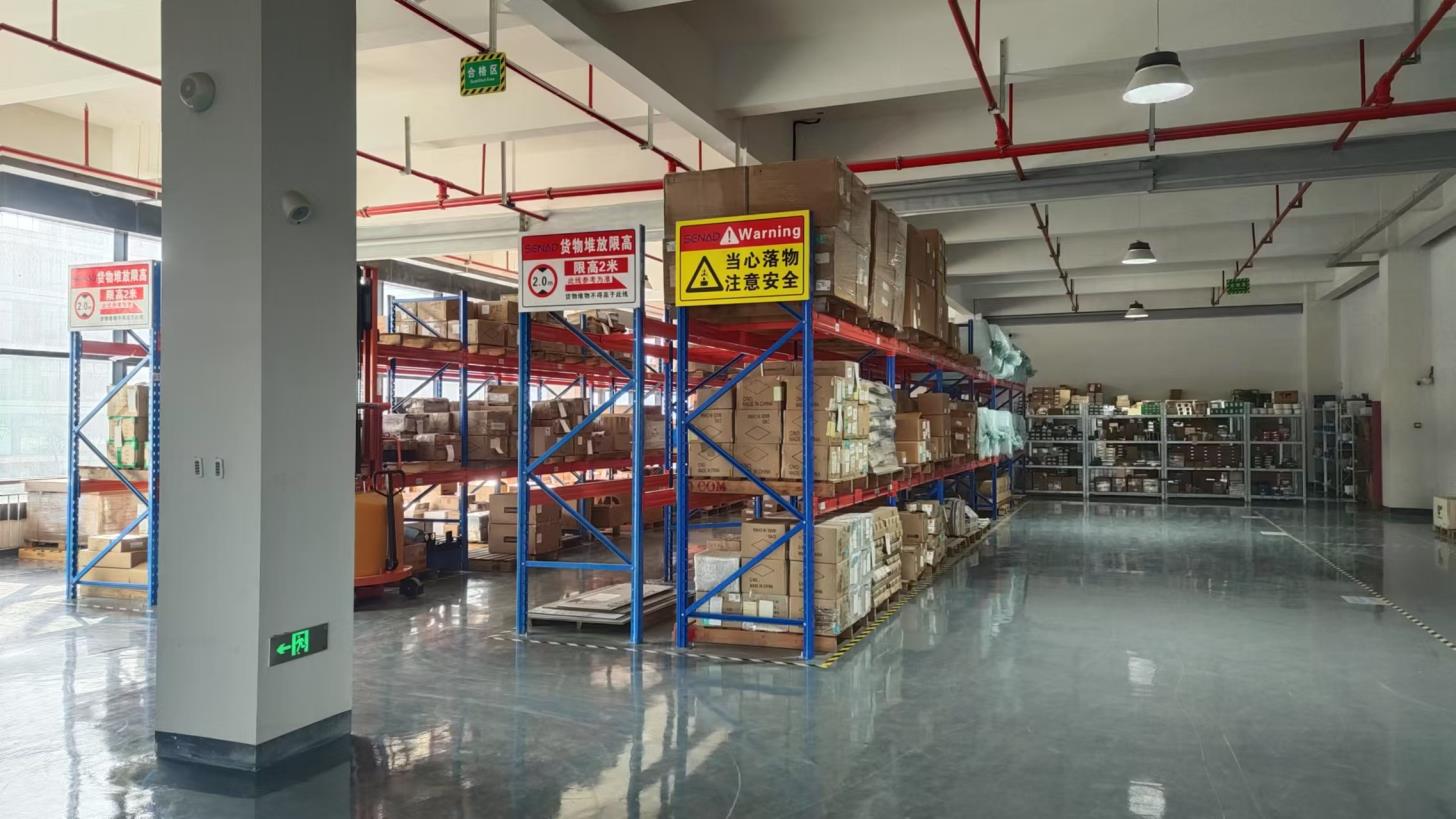
High-quality automation systems deployed across FAW Flag, CIMC Group, Zoomlion, and Russia Federal Railways.
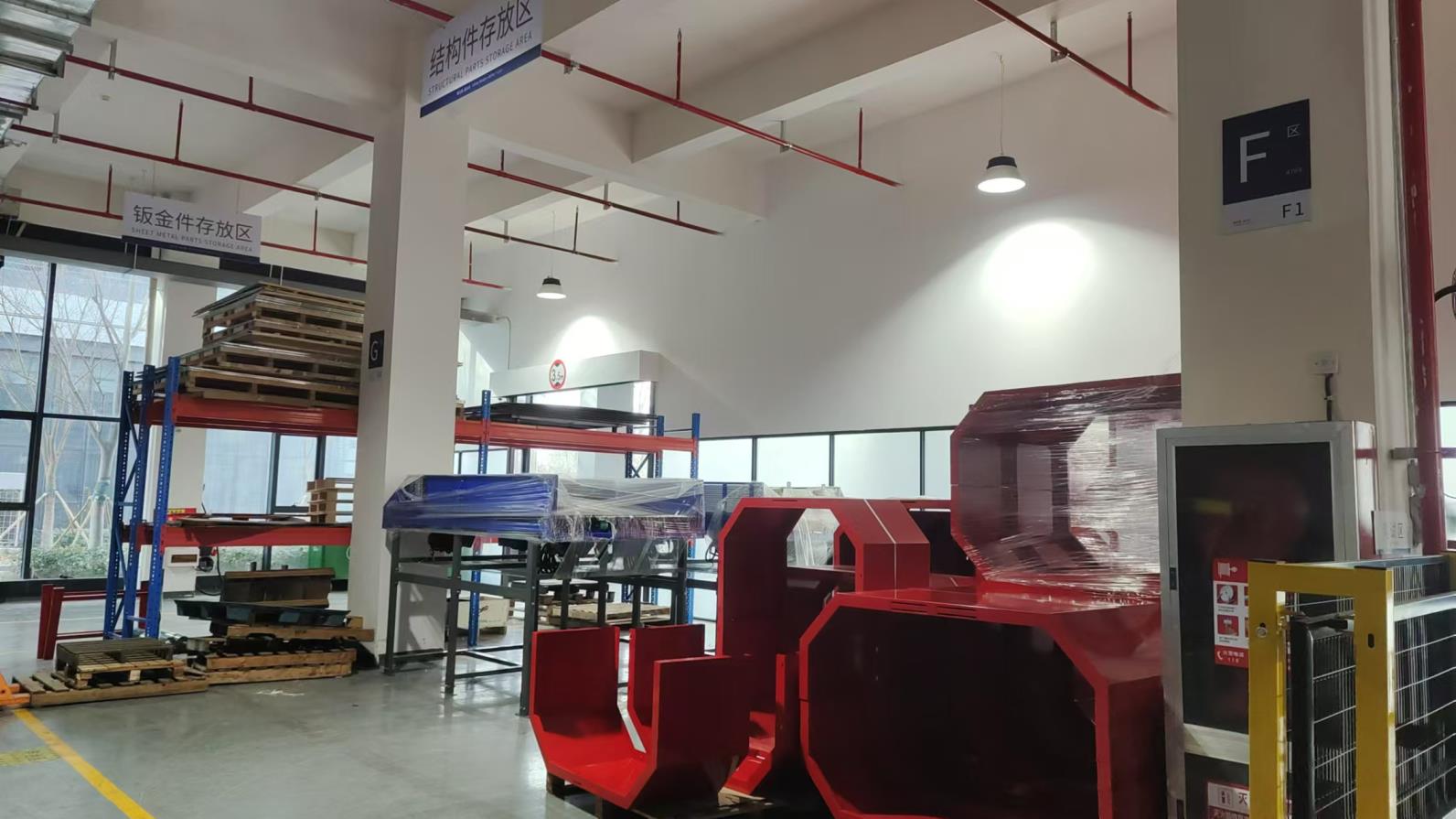
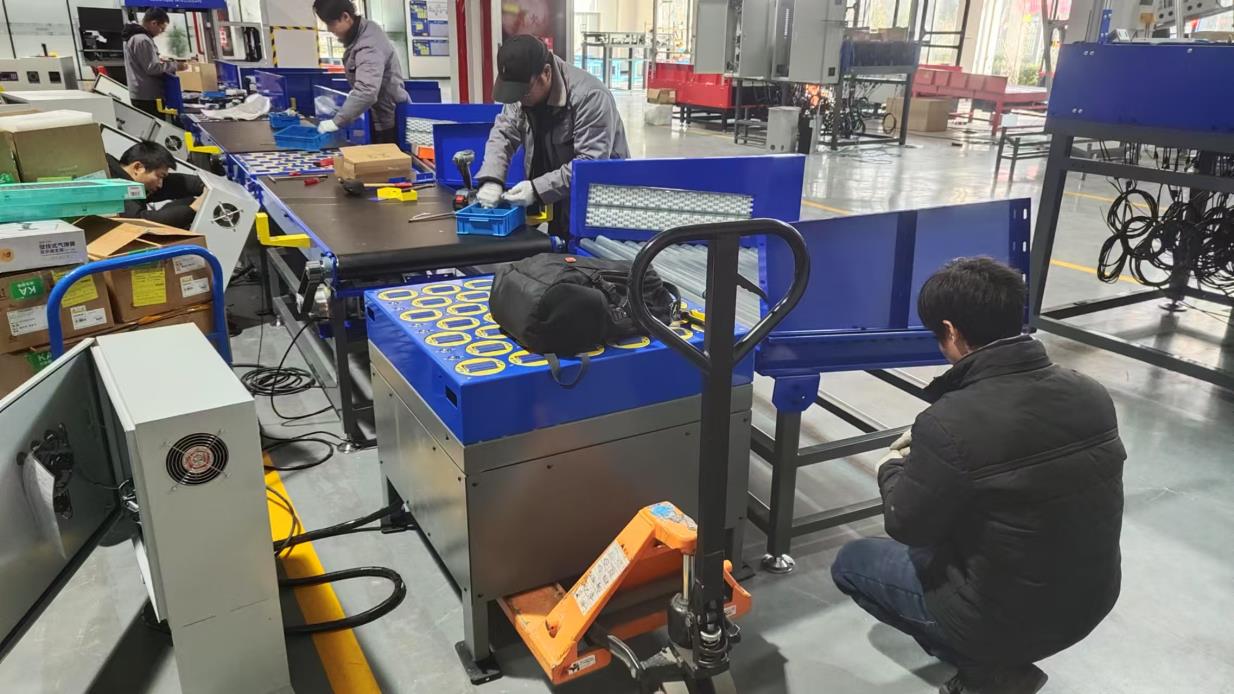
Assuring safe, legal, and operational continuity across multi-regional jurisdictions.
All equipment configurations conform to harmonized global standards, including ISO 3691-4 (safety requirements for driverless industrial trucks), CE Machinery Directive 2006/42/EC, and ANSI/RIA R15.08 for industrial mobile robots. This ensures predictable obstacle detection, emergency stop cycles, and functional safety (PLd/SIL2).
To guarantee system availability, we structure tier-based Service Level Agreements (SLAs). Through secure VPN links, our engineers diagnose PLC issues, tweak trajectory patterns, and upgrade software versions. For mechanical maintenance, localized partner networks manage critical spare parts distribution to minimize recovery times (MTTR).
Our engineering crews guide client operations from initial facility mapping and route testing through full factory integration. We run operators through detailed hand-off programs focusing on system diagnostics, daily safety checks, and basic system troubleshooting to ensure smooth operations.
Key metrics, integration targets, and performance verification methods for purchasing departments.
Procuring managers evaluating smart factory vendors must look beyond unit costs. A holistic procurement strategy evaluates the automation system's compatibility, structural longevity, and software extensibility.
Ensure the fleet manager integrates easily with standard systems (SAP, Oracle, BlueYonder) via standard APIs, avoiding closed proprietary databases.
Evaluate lithium iron phosphate battery cycle life and online fast-charging methods to support 24/7 run times without dedicated floor charging bays.
Confirm the fleet controller handles growth from 5 to over 100 vehicles without latency delays or navigation lockouts.
Verify operational tracking features to monitor availability, throughput efficiency, and error rates in real-time.
Technical answers to common system integration, pathing, and deployment questions.
Precision industrial arms, multi-axis motion controllers, and heavy-payload sorting platforms.